NURTURING TOMORROW’S LEADERS: HOW FULHAM MONTESSORI SCHOOL DEVELOPS LEADERSHIP SKILLS IN EVERY CHILD
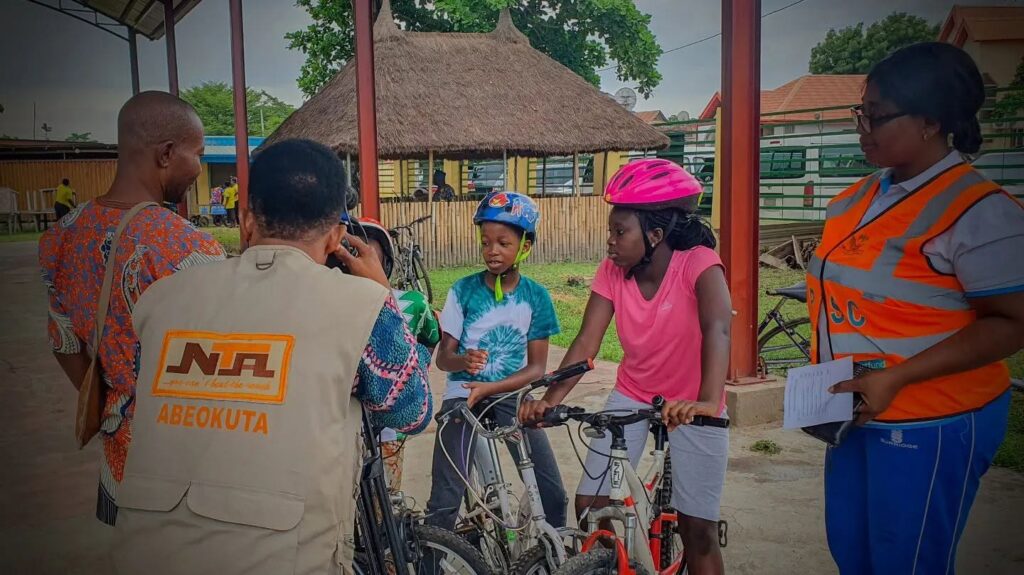
Every great leader was once a child who was given the opportunity to learn, explore, make decisions, take responsibility and believe in their own potential. At Fulham Montessori School, Abeokuta, we believe that leadership is not simply about holding a title, wearing a prefect’s badge or being placed in charge of others. True leadership begins with character, confidence, responsibility, compassion and the ability to make a positive difference in the lives of others. Our educational philosophy is built on a fundamental belief: every child possesses the potential to become a leader. Our responsibility as educators is to recognize that potential, nurture it and provide the right environment for it to flourish. Guided by our motto, “Learners Today, Leaders Tomorrow,” we are committed to raising children who are not only academically successful but also confident, independent, emotionally intelligent and socially responsible. Leadership Begins in the Classroom At Fulham Montessori School, leadership development does not wait until a child reaches the upper primary classes. It begins from the earliest years of learning. Through our Montessori-inspired approach, children are encouraged to become active participants in their education rather than passive recipients of information. They learn to make choices, organize their activities, solve problems, care for their environment and take responsibility for their actions. A young child who independently returns learning materials after an activity is developing responsibility. A pupil who helps a classmate understand a difficult task is demonstrating empathy and leadership. A child who confidently expresses an opinion during a classroom discussion is learning the power of communication. These seemingly small experiences form the foundation of strong leadership qualities. We believe leadership is not taught through instructions alone; it is developed through daily experiences, positive examples and opportunities to practice. Building Confidence and Independent Thinking Confidence is one of the essential qualities of effective leadership. At Fulham Montessori School, we strive to create a learning environment where every child’s voice matters. Through classroom presentations, group discussions, creative activities, practical learning experiences and opportunities for self-expression, pupils are encouraged to communicate their ideas with confidence. We teach children that making mistakes is not a sign of failure but an important part of learning and personal growth. By encouraging curiosity, critical thinking and independent problem-solving, we help our learners develop the courage to face challenges, explore possibilities and make thoughtful decisions. Our goal is to raise children who can think for themselves while remaining respectful of the opinions and perspectives of others. Teaching Responsibility, Discipline and Accountability Leadership without responsibility is incomplete. We understand that tomorrow’s leaders must learn to be accountable for their decisions and actions. This is why responsibility forms an important part of our everyday school culture. From keeping classrooms organised and caring for school property to completing assignments and observing school rules, pupils are encouraged to understand that their choices have consequences. We emphasize punctuality, honesty, self-discipline, respect and personal accountability. Rather than simply demanding obedience, we help children understand why rules exist and how their behaviour affects others. By developing these habits early, we prepare our pupils to become dependable individuals who can be trusted with greater responsibilities. Developing Leadership Through Service and Prefectship At Fulham Montessori School, we believe that the greatest leaders are those who understand that leadership is an opportunity to serve, not a privilege to dominate. Our school prefectship programme reflects this philosophy. We encourage aspiring prefects to recognise that leadership is not about popularity, authority or wearing a badge. It is about setting positive examples, demonstrating good character, supporting fellow pupils and contributing meaningfully to the school community. Through leadership responsibilities, pupils learn important values such as teamwork, fairness, commitment, initiative and selfless service. However, leadership opportunities are not restricted to appointed prefects. Every child, regardless of age, personality or academic ability, should have opportunities to demonstrate leadership through classroom responsibilities, collaborative projects, peer support and everyday acts of kindness. We want our pupils to understand that you do not need a title to become a leader; you simply need the willingness to make a positive difference. Nurturing Emotional Intelligence and Compassion Academic excellence alone does not produce effective leaders. The ability to understand emotions, build relationships, manage disagreements and demonstrate empathy is equally important. At Fulham Montessori School, we encourage children to respect differences, listen attentively, appreciate others and resolve conflicts peacefully. Through cooperative learning and positive social interactions, pupils develop essential interpersonal skills. We teach them that kindness is not weakness, that listening is as important as speaking, and that respecting others does not diminish their own confidence. By nurturing emotional intelligence alongside intellectual development, we help children become thoughtful, compassionate individuals who value people as much as achievements. Encouraging Teamwork and Collaboration. No successful leader achieves greatness entirely alone. Collaboration is therefore an essential part of our learning philosophy. Through group activities, classroom projects, educational games, sporting activities and shared responsibilities, our pupils discover the importance of working together towards common goals. They learn how to contribute ideas, accept constructive feedback, appreciate the strengths of others and celebrate collective achievements. These experiences help children understand that leadership sometimes means taking the initiative and, at other times, supporting someone else’s ideas. We encourage our learners to recognise that success is more meaningful when it creates opportunities for others to succeed. Recognising the Unique Potential in Every Child One of the greatest strengths of Montessori education is its recognition that every child is unique. Some children are naturally outspoken and confident, while others demonstrate leadership through quiet determination, creativity, compassion, careful observation or problem-solving. At Fulham Montessori School, we do not believe that leadership belongs only to the most academically gifted, outspoken or popular pupils. We recognise that the quiet child who consistently demonstrates kindness may possess extraordinary leadership potential. The creative thinker who approaches challenges differently may become an innovator. The child who supports struggling classmates may grow into a compassionate community leader. Our responsibility is to identify and nurture these different strengths, ensuring that every child feels valued, supported and